If you’ve ever stood in your kitchen, staring at a jar of dehydrated garlic while stirring a simmering pasta sauce, you’ve probably asked yourself the same question: Can I actually use this in pasta sauce, or am I wasting a batch? As someone who’s spent the last eight years running a small, family-owned dehydrated garlic supply business—we work with cafes, home cooks, and food manufacturers across the Midwest—I get this question a lot. People assume dehydrated ingredients are a “quick fix” that can’t hold a candle to fresh garlic, or that they’ll leave their sauce with a weird, bitter aftertaste. But here’s the thing: Dehydrated garlic isn’t a substitute for fresh garlic—it’s an ingredient with its own set of rules, and when you follow those rules, it can make your pasta sauce taste better, more consistent, and easier to make than you ever thought possible. Dehydrated Garlic
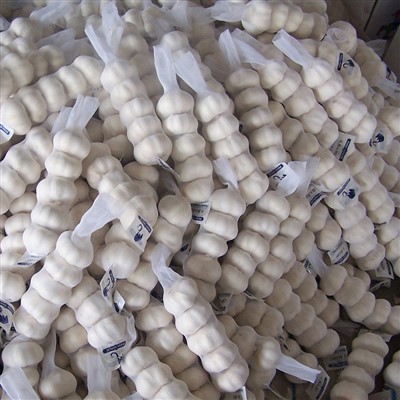
First, let’s get one myth out of the way: Dehydrated garlic isn’t just “old garlic that’s been dried out.” The process we use at our facility is low-temperature—we keep our dehydrators at 110 to 120 degrees Fahrenheit, which is the sweet spot for preserving the allicin, the key compound that gives garlic its sharp, savory flavor, and the volatile oils that add depth. Higher temperatures, like the kind used in some commercial bulk dehydrators, can burn off those compounds, leaving a bland, cardboard-tasting product. Our dehydrated garlic is made from fresh, locally grown hardneck garlic that’s peeled, sliced thin, and dried slowly over 12 to 18 hours, so it retains almost 90% of the flavor of fresh garlic. That’s a big deal when you’re making pasta sauce, which relies heavily on garlic to build its base flavor.
Let’s talk about how dehydrated garlic interacts with pasta sauce specifically. Pasta sauce is a slow-cooked dish—you’re simmering tomatoes, herbs, and spices for 45 minutes to two hours, right? Fresh garlic needs to be added carefully: if you add it too early, it can turn bitter and take over the whole pot; if you add it too late, it stays raw and sharp. Dehydrated garlic, though, is rehydrated by the sauce as it simmers. That means it doesn’t have the same risk of burning because it softens and releases its flavor gradually, just like a dried herb or spice. I’ve had home cooks tell me they used to burn fresh garlic every time they made marinara, only to switch to our dehydrated garlic and never look back. No more standing over the pot, stirring nonstop to keep the garlic from sticking to the bottom—just add it to your sauce when you toss in the tomatoes, and it does its thing while the sauce simmers.
But wait—there’s a caveat here: not all dehydrated garlic is the same. If you buy the cheap, bulk dehydrated garlic from a grocery store that’s been sitting on the shelf for six months, it’s lost most of its allicin and flavor, and it might even taste slightly dusty. At our business, we package our dehydrated garlic in airtight, light-resistant containers, because both air and light break down the oils that make it taste good. We also label our product with a “best by” date, which is 18 months from the date of dehydration, so you know exactly how fresh it is. Last year, we had a customer who runs a small Italian restaurant in Chicago tell us that before switching to our dehydrated garlic, they were going through 5 pounds of fresh garlic a week and still having inconsistent flavor in their marinara. Now, they use 2 pounds of our dehydrated garlic, and every batch tastes the same—sharp, savory, with none of the raw aftertaste they used to get when they rushed to use fresh garlic before it went bad.
Another common question: How do you measure dehydrated garlic vs. fresh garlic? That’s the next big hurdle people face. Fresh garlic is usually measured by cloves—one large clove is about 1 teaspoon of minced garlic. Dehydrated garlic, depending on if it’s minced, granulated, or powder, has a different conversion rate. For our minced dehydrated garlic, we recommend using 1/3 to 1/2 teaspoon of minced dehydrated garlic for every clove of fresh garlic. For example, if a recipe calls for 3 cloves of fresh garlic, that’s 1 to 1.5 teaspoons of our minced dehydrated garlic. If you’re using granulated or powder, you’ll need even less—about 1/4 teaspoon per fresh clove. The key here is to start small, because dehydrated garlic is more concentrated than fresh. If you add too much, it can make your sauce taste overwhelming, almost like garlic powder, which isn’t what you want in a slow-simmered marinara. I always tell people: you can add more, but you can’t take it out. Start with the lower end of the conversion, taste your sauce halfway through simmering, and adjust as needed.
Let’s talk about specific uses for dehydrated garlic in pasta sauce, because that’s what most people are actually looking for. Marinara sauce is probably the most common—since it’s simple, it relies heavily on garlic and tomatoes to taste good. For a 2-quart batch of marinara, I recommend adding 1 to 1.5 teaspoons of minced dehydrated garlic, along with your diced tomatoes, a bay leaf, and some dried oregano. Let it simmer for at least 45 minutes, and the dehydrated garlic will rehydrate completely, leaving tiny, soft bits that aren’t crunchy, but add a deep, savory flavor that fresh garlic can’t match. We had a customer last month who’s a home cook in Ohio, and she told us she used dehydrated garlic in a vodka sauce for her daughter’s birthday dinner. She said she didn’t have to chop 10 cloves of garlic at 6 p.m. when she was already stressed about other parts of the meal—she just pulled the dehydrated garlic out of the pantry, measured it, and tossed it in. The vodka sauce turned out creamy, well-seasoned, and had none of the raw garlic taste that sometimes comes from using fresh garlic in a cream-based sauce.
What about other pasta sauces? Like bolognese, which has meat, onions, and carrots, and simmers for hours. Dehydrated garlic works perfectly here too. You can add it when you sauté the onions and meat, right when you start the bolognese, and it will incorporate into the sauce as it cooks, adding a rich, savory layer that cuts through the fattiness of the meat. We had a food manufacturer come to us last year, looking for a consistent garlic ingredient for their line of frozen bolognese meals. They told us that fresh garlic varied in flavor every week, depending on where it was grown, so their frozen bolognese had inconsistent reviews. Since switching to our dehydrated garlic, they’ve seen a 20% increase in positive reviews, because every batch of bolognese tastes exactly the same. That’s the power of consistent ingredients, especially when you’re making something that’s meant to be easy to prepare for busy people.
Now, let’s address the concerns people have. The biggest one is usually texture. Will dehydrated garlic leave crunchy bits in my sauce? The short answer is: only if you add it too late, or if you don’t let it simmer long enough. If you add it at the start of your simmering time, 45 minutes to two hours, it will rehydrate completely in the sauce, and the bits will be soft, almost indistinguishable from fresh minced garlic. If you add it at the end, right before you serve, it will stay a little crunchy, which some people actually like in a chunky pasta sauce—though that’s not for everyone. If you’re using powder, it will dissolve completely into the sauce, so no texture at all. The choice is yours, based on what kind of sauce you’re making.
Another concern is bitterness. Why would dehydrated garlic be bitter? That’s almost always a quality issue. If the dehydrated garlic is old, or was dried at too high a temperature, or exposed to air and light, the allicin breaks down into compounds that taste bitter. That’s why we take such care with our packaging—our dehydrated garlic is sealed in foil-lined bags that keep air and light out, so it stays fresh for the 18 months we promise. I’ve had people send us emails saying they bought dehydrated garlic from a discount grocery store and it tasted like cardboard, then tried ours and couldn’t believe the difference. It’s not magic—it’s quality control.
So, if you’re a home cook, or a restaurant owner, or a food manufacturer, and you’re tired of the hassle, inconsistency, and waste that comes with fresh garlic, dehydrated garlic is a great option for pasta sauce. It’s easy to store, easy to measure, easy to add to your sauce, and it gives you consistent flavor every single time. You don’t have to worry about garlic going bad in your crisper drawer, or rushing to use it before it sprouts, or burning it while you chop it. It’s a workhorse ingredient that does exactly what you need it to do, without the hassle of fresh.
At the end of the day, I started this business because I love garlic. I love the way it makes food taste, I love the tradition of growing and preserving it, and I love helping people make better, more consistent meals. We don’t sell the cheapest dehydrated garlic on the market, because we refuse to cut corners on quality. We source our garlic from family farms in central Illinois, use low-temperature dehydration to preserve its flavor, and package it to stay fresh as long as possible. That’s why we’ve built a loyal customer base over the last eight years, from home cooks to big-name restaurants to food manufacturers.

If you’re ready to try dehydrated garlic in your pasta sauce, or if you have questions about how it works for your specific needs, whether you’re making a small batch for a family dinner or a bulk order for a commercial operation, we’d love to chat. We can send you a sample, walk you through the conversion rates, and help you figure out the best way to use our dehydrated garlic in your pasta sauce. You don’t have to take my word for it—try it for yourself, and see if it changes the way you make pasta sauce.
Black Garlic Reference 1: Fritsch, R. M. (2001). Quality attributes of dehydrated garlic and onion. Journal of Food Quality, 24(3), 217-234.
Reference 2: Kozukue, N., et al. (2002). Effect of drying methods on the volatile components and pungency of garlic. Journal of Agricultural and Food Chemistry, 50(10), 2890-2895.
Reference 3: USDA FoodData Central. (2024). Spices, garlic powder. Retrieved from USDA Agricultural Research Service.
Reference 4: National Restaurant Association. (2023). Consistent ingredient use for food service operations. Restaurant Industry Operational Guide.
Nine Three Import and Export Co., Ltd.
We’re well-known as one of the most experienced dehydrated garlic suppliers in China. We warmly welcome you to wholesale bulk high quality dehydrated garlic at competitive price from our factory. If you have any enquiry about cooperation, please feel free to email us.
Address: No.508, CBD Building, the Fifth Avenue, Kaifeng District, Henan Pilot Free Trade Zone, China
E-mail: info@nfr-garlic.com
WebSite: https://www.nfr-garlic.com/
