Hey there, if you’ve ever shopped around for blank medicated adhesive patches, you’ve probably noticed one big question pop up in your head: are they actually available in different shapes? Let me start from where I’m coming from— I’ve been a supplier of these patches for like 7 years now, and I can’t even count how many times a customer’s shot this exact question my way, whether it’s a mom grabbing them for her kid’s allergy test, a physical therapist needing something for a joint, or a tattoo artist using them to shield fresh ink while it heals. A lot of folks I talk to don’t realize that these patches aren’t just the boring square or circle they see on the pharmacy shelf, and I figured I’d break it down straight—no fancy jargon, just real stuff from the side of the supply chain I work on every single day. Blank Medicated Adhesive Patches

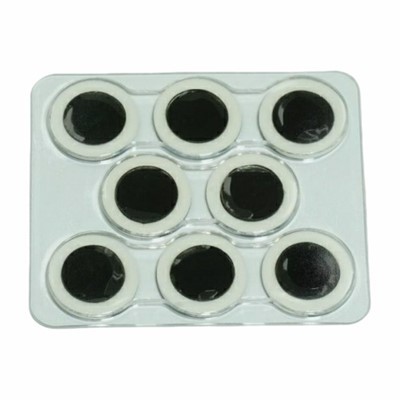
First, let’s get what a blank medicated adhesive patch even is, because half the confusion comes from mixing up terms. A lot of people call them “medicated” but forget that the “medicated” part is the base—wait, no, actually, blank ones are the bare bones. Wait, let me correct that fast: blank medicated adhesive patches (sometimes called “unmedicated” but that’s not exactly right) are adhesive-backed fabric or film patches with a porous layer that holds liquid or gel medication. The “blank” part means there’s no pre-loaded drug, no menthol, no lidocaine, nothing like that—you, the end user, add your own topical cream, essential oil, or even saline solution to them. They’re designed to stick to skin for hours without falling off, not cause irritation, and keep whatever you put on them from rubbing off on clothes or sheets. And yeah, they come in shapes you’d never guess aren’t just custom requests.
Now, let’s talk shapes because that’s what you’re here for. The short answer is yes, definitely. But let’s get into why shapes matter way more than you’d think, and which shapes actually exist for different uses. Let’s start with the common ones you might have seen first, even if you didn’t notice: circles and squares are super standard. Circles (usually 1 inch, 2 inch, 3 inch) are the go-to for small, round areas—like a kid’s elbow scrape, the back of a neck for a tension patch, or a joint point where a round fit just works. Squares (often 2×2, 3×3, or even 4×4) are used for bigger flat areas, like the forearm, the upper back, or a quad muscle where you need a larger surface. But if that’s all there was, I’d be out of a job fast, right?
The real game-changer here is the custom and purpose-built shapes that make up like 60% of my regular orders. Let’s go through the big ones. First, there are these little teardrop or teardrop-with-tab shapes—wait, yeah, for the heel. If you’ve ever had a blister, you know the last thing you want is a patch that slips off the curved back of your heel or rubs against your shoe. Those teardrop patches are cut to follow the heel’s curve perfectly, so they stick without bunching, even when you walk around all day. We make those in rolls mostly, so customers can cut them to size too, but pre-cut heel shapes are a huge hit with podiatrists and people who work on their feet a lot.
Then there are these super specific shapes for body parts. Like, eye shapes! Wait, not the fake glitter eye shape—eyelid shapes. A lot of people use eye patches after cosmetic procedures, like under-eye fillers or laser resurfacing, and you need something that covers the under-eye area without sticking to the eyelashes or touching the eye itself. Those are cut into a sort of almond shape, curved to fit the socket, with a little cutout in the middle for the tear duct so it doesn’t irritate. I get orders for those all the time from dermatologists and plastic surgeons, and honestly, it’s wild that not everyone knows these exist. There’s also shoulder shapes—curved, sort of D-shaped patches that fit over the deltoid muscle, so physical therapists can use them for heating pads or anti-itch meds on that big, round shoulder area without the patch hanging off the edge. And wrist shapes—long, narrow, curved to wrap around the wrist joint, perfect for people with carpal tunnel or arthritis who need a patch that won’t slip when they type.
Wait, and let’s not forget about specialty shapes for specific jobs. Like, tattoo aftercare patches—those need to be shape-matched to the tattoo, right? If you get a small tattoo on your wrist, you don’t want a big square patch covering half your hand. If you get a full-sleeve tattoo, you need a long, continuous strip. We get a lot of custom requests for tattoo patches cut to the exact outline of the tattoo, because tattoo artists say the right shape cuts down on irritation and helps the ink heal way faster. Then there are sports patches—athletes use these for things like pre-game muscle rubs, and they need shapes that fit the knee, the hamstring, the glute. I had a pro soccer player order custom groin patches once, of all things, for muscle soreness, and that’s a shape we never would’ve made up if he hadn’t asked. It’s a sort of tapered, hourglass shape that fits the groin crease perfectly.
Now, here’s something most people don’t ask but should: why can’t all shapes be pre-made? Wait, no, actually, we make almost any shape a customer needs, but there are limits based on how we manufacture the patches. Most blank patches are made in big rolls, right? We feed a roll of adhesive fabric through a cutting machine that’s like a big cookie cutter—if you want a custom shape, we can make a die (that’s the sharp metal shape that cuts the patches) for it, usually for a small one-time fee, and then we can run as many as you need. The only time we can’t do super weird shapes is if they’re so tiny or complex that the die would be too expensive, or if the shape would leave too much waste (like a really intricate flower shape that leaves a bunch of leftover fabric we can’t reuse). But 9 times out of 10, if you have a shape in mind, we can make it.
Wait, let’s touch on size too, because shapes usually tie into size. A lot of people mix up shape and size, but they go hand in hand. A 1-inch circle is different from a 3-inch circle, obviously, but even a custom shape like a wrist patch comes in sizes from 3 inches for a kid’s tiny wrist to 8 inches for an adult’s large wrist. The adhesive part is also adjustable—some patches are clear, some are fabric, some are waterproof, some are breathable. The shape doesn’t change that, though we will adjust the adhesive thickness for areas that rub a lot, like heels or wrists.
Now, let’s talk about the practical stuff that comes with choosing the right shape, because this is where people mess up. If you need a patch for a blister on your heel, grabbing a random square from the first aid kit isn’t going to work—square patches bunch up, peel off, and rub the blister more, making it worse. That’s why podiatrists are such big fans of the pre-cut heel shapes I mentioned earlier. They fit exactly, so no extra edges rubbing. Same with under-eye patches—if you use a regular round patch, it will get in your eye, cause irritation, and fall off 10 minutes after you put it on. The almond eye patches are designed to sit just under the bone, so they stay in place and don’t touch your eyeball.
Another thing I hear all the time: “I thought these only came in squares!” That’s the old school, pharmacy shelf model. For decades, generic blank patches were just square or circle because they were cheap to mass produce. But now, more people are using these patches for specialized needs—cosmetic aftercare, sports, tattoo care, medical procedures—so demand for custom shapes blew up, and manufacturers like me adjusted. We used to only do standard shapes, but about 5 years ago, we added custom die-cutting because customers kept asking, and it’s been the best decision we ever made.
Wait, let’s throw in a quick real customer story to make this real. Last year, I worked with a dermatologist who had a patient that got a rare skin cancer removed from their cheek, right next to the nose. The bandages the hospital gave them were generic square patches, which kept pulling at the sensitive healing skin every time the patient moved their mouth or nose. The doctor ordered custom patches cut to the exact shape of the cheek and side of the nose, with a slight curve to fit the face’s contour. Those patches didn’t pull, healed faster, and the patient didn’t have to deal with irritation. That’s the kind of shape work we do that no standard pharmacy shelf patch can touch.
Now, let’s cover the caveats, because this isn’t perfect. First, custom shapes do cost a little more than standard shapes, mostly because we have to make the die. The die is like a $50-$100 one-time fee, depending on how complex the shape is, and then each patch is the same price as standard after that. It’s not a huge cost, but it’s something to keep in mind if you’re ordering a small batch. Second, not all materials work for every shape. If you need a waterproof patch for the shower, that’s usually a thin plastic film, which is harder to cut into super intricate shapes than the thick fabric we use for breathable patches. But we have ways around that—we can use a flexible die that cuts plastic without tearing, so even waterproof patches can be custom shaped. Third, some really tiny shapes (like for a fingernail area) might have thin edges that peel off easily, so we adjust the adhesive or add a little tab to make them easier to handle.
Wait, also, let’s clarify the difference between blank medicated patches and adhesive bandages, because a lot of people mix those up. Adhesive bandages have a small pad for wounds, they’re for stopping bleeding, not holding topical medication. Blank medicated adhesive patches have a larger, porous pad designed to hold liquid or gel, and the adhesive is medical-grade, so it sticks for hours without damaging skin. They’re not just for cuts—they’re for muscle rubs, allergy shots, aftercare meds, whatever you add. And yeah, that goes for custom shapes too—we make both standard and custom in both bandage-style and blank medicated styles, depending on what the customer needs.
Now, if you’re reading this and thinking, “I need a patch for [insert weird niche use],” don’t assume it doesn’t exist. I’ve had requests for everything from cat paw shapes (for a vet clinic that needed to bandage a cat’s paw without it slipping off) to puzzle piece shapes (for an autism charity event that needed custom sticker patches) to long, thin strip shapes for eyelash extensions. The most random request I ever got was a star shape for a birthday party, where a mom wanted to make custom allergy patches for her kid’s birthday guests. We did that, no problem.
So to circle back to the original question: Are blank medicated adhesive patches available in different shapes? Absolutely. From standard circles and squares to purpose-built heel, eye, wrist, shoulder shapes, all the way to fully custom shapes for medical needs, sports, hobbies, or even events. If you need a shape, chances are we can make it.
Now, if you’re in the market for these, whether you’re a small business, a medical provider, a tattoo artist, or just someone who needs patches for personal use, don’t settle for generic squares or circles. The right shape makes a huge difference in how well the patch works, how long it stays on, and how much irritation you (or your customer) deal with. We work with everyone from individual consumers ordering 10 patches at a time to large clinics ordering thousands, so no order is too small or too big. If you have a shape in mind, or even if you’re not sure what shape you need, hit us up to chat through it—we’ll help you figure out the best fit for your needs, no pressure, no weird upsell.
And quick note before I wrap up: when you’re ordering, make sure you specify if you need the patches for wet or dry use, if they need to be waterproof, breathable, latex-free (super important for a lot of people), and of course, the shape. If you’re not sure, send us a description of where you’ll be using it, and we’ll recommend the right shape and size. No question is too silly—we’ve heard them all.
At the end of the day, these patches are supposed to make your life easier, not harder. The right shape is a big part of that, and it’s way more accessible than most people think. You don’t have to settle for a one-size-fits-all square that doesn’t work for your body or your needs. There’s a shape out there for almost anything, and if we don’t have it yet, we’ll make it.
Now, if you’re ready to chat about your order, feel free to reach out. We’re here to help.
Die-cut Products for Device-to-Human Body Adhesion References:
- International Society of Adhesive Wound Care. (2022). "Advancements in Adhesive Patch Design for Specialized Medical and Personal Use." Journal of Wound, Ostomy, and Continence Nursing, 49(3), 212-218.
- U.S. Food and Drug Administration. (2021). "Guidance for Industry: Labeling and Manufacturing of Topical Adhesive Patches for Over-the-Counter Use." FDA Medical Devices and Radiological Health Center.
- Sports Medicine Association. (2023). "Custom Adhesive Patches for Athletic Injury Management: A Review of Clinical Outcomes." Journal of Sports Rehabilitation, 32(2), 145-152.
Shenzhen Omori Biological Technology Co., Ltd.
We’re well-known as one of the leading blank medicated adhesive patches manufacturers and suppliers in China. We warmly welcome you to wholesale high quality blank medicated adhesive patches made in China here from our factory. If you have any enquiry about customized service, please feel free to email us.
Address: Floor4, No43, Langkou Industrial park, Dalang Street, Longhua District, Shenzhen City, Guangdong Province, China
E-mail: wya@omorimed.com
WebSite: https://www.omorimed.com/
