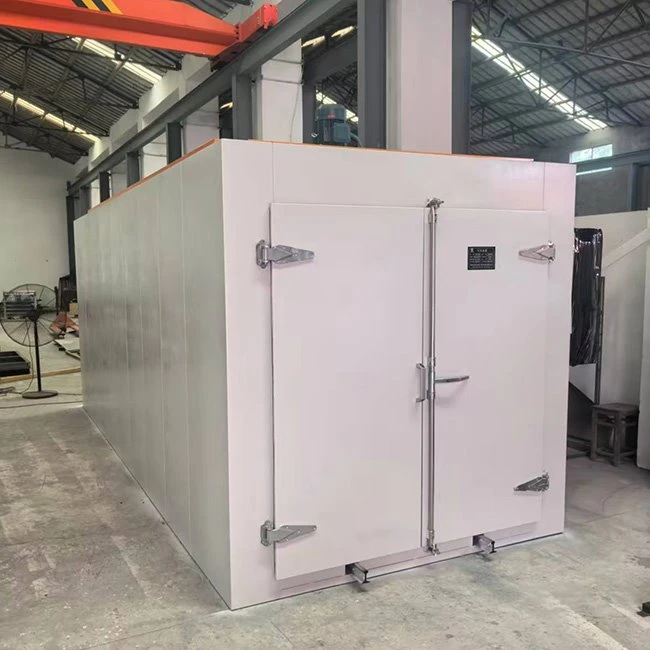
Hey there, I’m Jake, part of the team at an industrial furnace supplier that’s been around long enough to see these machines go from clunky, energy-hungry beasts to way smarter workhorses. Lately, I’ve been fielding so many calls from manufacturers asking what’s new in furnace tech—like, are we still just heating stuff up? Spoiler: no. The last few years have brought some game-changing upgrades that aren’t just for engineers anymore; they’re shifting how factories run, save cash, and even hit their climate goals. Let’s break down the real, latest stuff you actually care about, no jargon overload. Industrial Furnace
First off, the biggest shift I’ve seen is smart furnaces with built-in IoT (you know, internet of things) and AI. A lot of folks still think industrial furnaces are just turn ’em on and leave ’em, but that’s a recipe for wasted energy and messed-up part quality. New models have tiny, cheap sensors everywhere—monitoring temperature, air flow, even gas composition every two seconds. Then an AI system crunches that data on-site (no lag time) to adjust things in real time. For example, if you’re heating metal parts that need a super specific temp to avoid warping, the AI might tweak the gas flow by 0.5% or tweak the blower speed before you even notice the part is off. I had a customer in the automotive parts space tell me they cut scrap rates by 18% in three months after switching to this. No more guessing, no more fixing mistakes after the fact—just consistent, perfect results. And these systems don’t just work alone; they feed data to your whole factory’s software, so you can see how your furnace is performing alongside your other machines, like a team player instead of a lone wolf.
Next up, energy efficiency is massive right now, because gas and electricity bills are through the roof, plus everyone’s under pressure to cut carbon emissions. The old furnaces lose so much heat through their walls or exhaust pipes—like, 30-40% of the heat just goes out the vent! New tech fixes that with things like high-efficiency regenerative burners. These burners capture the heat from the exhaust gases, use it to preheat the air going into the furnace, so you don’t have to burn as much fuel. Some new models even have “heat recovery loops” that take excess heat and pipe it back to other parts of the factory—like a nearby warehouse or a water heater. One of my clients in the food processing space, which uses furnaces to dry and bake goods, cut their natural gas use by 28% in six months with this setup. Also, a lot of new furnaces run on renewable energy now—like electric models powered by solar or wind, instead of just gas. We’ve been helping customers switch from gas to high-efficiency electric furnaces, and they’re seeing not just lower bills, but way smaller carbon footprints, which is huge for their customers who want more sustainable products.
Then there’s advanced materials for furnace linings. The lining is basically the inside of the furnace, and it’s what handles the extreme heat—some furnaces run at 2,000°C or higher, which is like four times hotter than a pizza oven. Old linings were made of basic refractory bricks that wore out after a few years, and they also trapped a lot of heat, making the furnace work harder. Now, there’s a new generation of refractory materials, like ultra-high-temperature ceramics and fiber-reinforced composites. These are lighter, way more durable, and they insulate way better. So not only do they last longer (we’ve had customers go from 2-year lining replacements to 5+ years), but they also keep the heat inside the furnace instead of leaking out. For small manufacturers, this is a big deal because it means you don’t have to shut down production to fix the lining as often, and your energy bills don’t spike because of heat loss. I can’t tell you how many times I’ve heard a customer say, “We used to have to take the furnace offline every 6 months for repairs—now we only do it once a year max.” That adds up to thousands of dollars in lost production time saved.
Wait, let’s not skip over automation and robotics integration, because that’s been a game-changer for safety and speed. A lot of industrial furnace processes used to require workers to load and unload parts manually, which is not only boring and tiring, but also dangerous—high heat, heavy parts, risk of burns. New furnaces are built with robotic arms right into the setup. The robot can load parts in precisely, make sure they’re spaced correctly for even heating, and unload them when they’re done, all without human hands near the heat. Plus, the robot’s programming is synced to the furnace’s AI, so if the AI adjusts the temperature, the robot might adjust the part placement to match. For example, if a certain part needs to spend an extra 10 minutes in a specific zone, the robot will position it there automatically. This has cut down on workplace accidents related to furnaces by like 40% for the customers we’ve worked with, and it’s sped up production too—no waiting for a worker to finish loading, the robot just keeps going 24/7.
Another cool, under-the-radar advancement is modular and customizable furnace designs. A lot of smaller manufacturers thought they couldn’t afford a top-of-the-line furnace, or that they’d have to tweak their whole factory layout to fit a new one. Now, you can get modular furnaces—they come in pre-built sections that you can assemble on-site, so installation is way faster, like a few days instead of weeks. And you can customize them exactly to your needs, not just pick from a generic model. If you only need to heat small metal parts, you don’t buy a giant furnace that wastes space; you get a compact, modular one that fits your line. We had a startup metal stamping company that was on a tight budget, and we put together a small modular furnace with exactly the controls they needed, no extra bells and whistles. They saved 35% on installation costs compared to a custom-built one, and it works perfectly for their production volume. This is a big one because it’s making high-tech furnaces accessible to more businesses, not just big corporations.
Now, I know a lot of you are probably thinking, “Sure, this sounds great, but what’s the catch?” Well, there’s still a learning curve, but the companies that are offering this new tech (like us) are not just selling you a machine—we’re supporting you. We have teams that can help you integrate the AI and IoT stuff with your existing software, train your workers to use the new systems, and even do remote troubleshooting. If the AI detects a tiny issue with the burner, we can log in remotely and adjust it, no need to send a tech out right away. That’s another big change—no more waiting days for a service call; most fixes are done in minutes remotely.
Let me wrap this up with the stuff that actually matters to you as a buyer. These new furnaces aren’t just “better” versions of old ones—they save you money on energy, cut scrap and repair costs, keep production running smoothly, and help you hit your sustainability goals. I’ve been in this game for 12 years, and I’ve never seen a shift in technology that’s this impactful for every type of manufacturer, from small shops to big factories.

If you’re tired of wasting energy on an old furnace that’s costing you cash, or if you’re looking to upgrade to something that’s smarter and more reliable, reach out to our team. We can walk you through what your specific needs are, show you how these advancements would work for your production line, and put together a solution that fits your budget. No pushy sales talk, just real advice from people who know industrial furnaces inside and out.
Industrial Furnace References:
- International Energy Agency (IEA). (2023). Industrial Energy Efficiency Technology Roadmap: Furnaces and Ovens.
- American Society for Metals (ASM International). (2024). Advances in Refractory Materials for High-Temperature Industrial Processing.
- IoT World Forum. (2023). AI-Powered Industrial Furnaces: Use Cases and Performance Metrics.
- Occupational Safety and Health Administration (OSHA). (2024). Industrial Furnace Automation and Workplace Safety Improvements.
- Manufacturing.net. (2023). Modular Industrial Furnaces: Closing the Accessibility Gap for Small and Medium Manufacturers.
Nanjing Ranran Tiancheng Drying Equipment Co., Ltd.
As one of the most professional industrial furnace manufacturers and suppliers in China, our products have good reputation in the market. Please feel free to buy advanced industrial furnace for sale here from our factory. All customized products are with high quality and competitive price.
Address: No. 5 Xinhua Road, Shangba Village, Longtan Street, Qixia District, Nanjing City
E-mail: rrtc@rrtcoven.com
WebSite: https://www.rrtcoven.com/
