As a supplier of toroidal inductors, I’ve witnessed firsthand the critical role these components play in a wide range of electrical and electronic applications. One of the most frequently asked questions by our customers is about the inductance stability of toroidal inductors. In this blog post, I’ll delve into what inductance stability means, the factors that affect it, and why it matters in various industries. Toroidal Inductor
Understanding Inductance Stability
Inductance is a fundamental property of an inductor, representing its ability to store energy in a magnetic field when an electric current flows through it. Measured in henries (H), inductance is a crucial parameter in determining the performance of circuits that rely on inductors, such as power supplies, filters, and resonant circuits.
Inductance stability refers to the ability of an inductor to maintain a consistent inductance value over time and under varying operating conditions. An inductor with high inductance stability will have a relatively constant inductance value, regardless of changes in temperature, humidity, frequency, or mechanical stress. This stability is essential for ensuring the reliable and accurate operation of electronic devices.
Factors Affecting Inductance Stability
Several factors can influence the inductance stability of a toroidal inductor. Let’s take a closer look at each of these factors:
Temperature
Temperature is one of the most significant factors affecting inductance stability. As the temperature changes, the physical properties of the inductor’s core material and winding wire can also change, leading to variations in inductance. For example, most magnetic core materials exhibit a change in permeability with temperature, which can cause the inductance to increase or decrease.
To mitigate the effects of temperature on inductance stability, manufacturers often use core materials with low temperature coefficients of permeability. Additionally, proper thermal management techniques, such as heat sinks or ventilation, can help maintain a stable operating temperature for the inductor.
Humidity
Humidity can also have a significant impact on the inductance stability of a toroidal inductor. Moisture can penetrate the inductor’s insulation and cause corrosion or changes in the electrical properties of the winding wire and core material. This can lead to changes in inductance over time, especially in high-humidity environments.
To protect against the effects of humidity, toroidal inductors are often coated with a moisture-resistant material or housed in a sealed enclosure. These measures help prevent moisture from reaching the internal components of the inductor and ensure long-term stability.
Frequency
The inductance of a toroidal inductor can vary with frequency due to several factors, including the skin effect and the proximity effect. The skin effect causes the current to flow more concentrated near the surface of the conductor at higher frequencies, effectively reducing the cross-sectional area of the conductor and increasing its resistance. The proximity effect, on the other hand, occurs when the magnetic fields of adjacent conductors interact, causing uneven current distribution and changes in inductance.
To minimize the frequency dependence of inductance, manufacturers often use special winding techniques and conductor materials. For example, using Litz wire, which consists of multiple insulated strands of wire woven together, can help reduce the skin effect and improve the high-frequency performance of the inductor.
Mechanical Stress
Mechanical stress, such as vibration, shock, or pressure, can also affect the inductance stability of a toroidal inductor. Stress can cause the winding wire to move or deform, altering the magnetic field and changing the inductance value. Additionally, mechanical stress can cause the core material to crack or shift, leading to further changes in inductance.
To ensure mechanical stability, toroidal inductors are often designed with robust construction and mounting features. For example, using a rigid core material and securely fastening the winding wire can help minimize the effects of mechanical stress on inductance.
Importance of Inductance Stability in Different Industries
The inductance stability of toroidal inductors is crucial in a variety of industries, including telecommunications, automotive, aerospace, and power electronics. Let’s explore why inductance stability matters in each of these industries:
Telecommunications
In the telecommunications industry, toroidal inductors are commonly used in filters, oscillators, and power supplies. These components require high inductance stability to ensure accurate signal processing and transmission. A slight change in inductance can cause a shift in the frequency response of a filter, leading to signal distortion or interference. In high-speed communication systems, where even the smallest errors can result in significant data loss, inductance stability is of utmost importance.
Automotive
In the automotive industry, toroidal inductors are used in a wide range of applications, including engine control units, power steering systems, and electric vehicle charging stations. These applications require inductors that can withstand harsh environmental conditions, such as high temperatures, vibrations, and electromagnetic interference. Inductance stability is essential for ensuring the reliable operation of these systems and preventing malfunctions that could compromise safety.
Aerospace
In the aerospace industry, toroidal inductors are used in critical applications, such as avionics systems, radar systems, and satellite communication systems. These applications require inductors that can operate in extreme environments, including high altitudes, low temperatures, and high radiation levels. Inductance stability is crucial for maintaining the accuracy and reliability of these systems, which are essential for the safety and success of aerospace missions.
Power Electronics
In the power electronics industry, toroidal inductors are used in power supplies, inverters, and converters. These components require high inductance stability to ensure efficient power conversion and minimize losses. A change in inductance can cause fluctuations in the output voltage or current of a power supply, leading to instability and reduced performance. In high-power applications, such as renewable energy systems and electric vehicle charging infrastructure, inductance stability is essential for maximizing efficiency and minimizing energy waste.
Ensuring Inductance Stability in Toroidal Inductors
As a toroidal inductor supplier, we take several steps to ensure the inductance stability of our products. Here are some of the key measures we implement:
High-Quality Materials
We use only the highest quality core materials and winding wires in our toroidal inductors. Our core materials are carefully selected for their low temperature coefficients of permeability, high magnetic saturation, and excellent mechanical properties. Our winding wires are made of high-purity copper or aluminum and are insulated with a durable, heat-resistant material to ensure reliable performance.
Precision Manufacturing
We employ advanced manufacturing techniques and state-of-the-art equipment to ensure the precision and consistency of our toroidal inductors. Our manufacturing processes are carefully controlled to minimize variations in inductance and other electrical parameters. We also conduct rigorous quality control tests at every stage of the manufacturing process to ensure that our products meet or exceed customer specifications.
Custom Design
We offer custom design services to meet the specific requirements of our customers. Our experienced engineering team can work with you to design a toroidal inductor that provides the optimal inductance stability for your application. We can also provide technical support and consultation to help you choose the right core material, winding configuration, and other parameters for your needs.
Conclusion
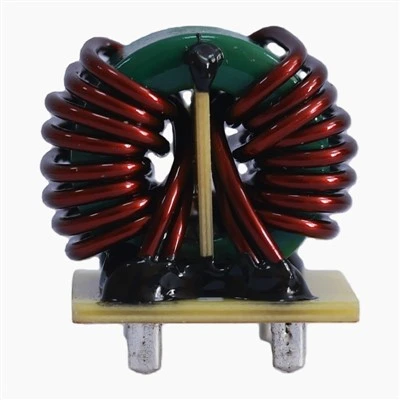
In conclusion, the inductance stability of a toroidal inductor is a critical factor in determining its performance and reliability. By understanding the factors that affect inductance stability and taking appropriate measures to mitigate them, we can ensure that our toroidal inductors provide consistent and accurate performance over time and under varying operating conditions.
Low-voltage Transformer If you’re looking for high-quality toroidal inductors with excellent inductance stability, we invite you to contact us to discuss your specific requirements. Our team of experts is ready to assist you in finding the perfect solution for your application. Whether you’re in the telecommunications, automotive, aerospace, or power electronics industry, we have the experience and expertise to deliver the products and services you need.
References
- Grover, F. W. (1946). Inductance Calculations: Working Formulas and Tables. Dover Publications.
- McLyman, C. W. (1987). Transformer and Inductor Design Handbook. Marcel Dekker.
- Rosa, E. B. (1908). The Self and Mutual Inductances of Linear Conductors. Bulletin of the Bureau of Standards, 4(2), 301-344.
Dongguan Hensiron Electric Co., Ltd.
As one of the most professional toroidal inductor suppliers in China, we have world-leading production equipment and strong manufacturing capabilities. Please feel free to buy high quality toroidal inductor made in China here from our factory. Customized orders are welcome.
Address: Building 4, Xinxing Industrial Zone, Wangao Road, Wanjiang Street, Dongguan City, China
E-mail: jessica@dghensiron.com
WebSite: https://www.dghensiron.com/
