Hey there! I’m a supplier of hydrostatic loaders, and today I wanna chat about how fast these bad boys can move. It’s a question that comes up a lot, especially from folks in construction, agriculture, and other industries that rely on heavy machinery. So, let’s dig in and find out what affects the speed of a hydrostatic loader and how fast they can really go. Hydrostatic Loader

Understanding Hydrostatic Loaders
First things first, let’s quickly go over what a hydrostatic loader is. A hydrostatic loader is a type of heavy equipment used for moving materials like dirt, gravel, sand, and rocks. It’s got a big bucket on the front that can scoop up all that stuff and then lift and dump it wherever you need it. What makes a hydrostatic loader different from other loaders is its hydrostatic transmission system.
This system uses hydraulic fluid to transfer power from the engine to the wheels or tracks. It’s a pretty cool setup because it allows for smooth and precise control of the loader’s speed and direction. You can easily adjust how fast you’re going and make tight turns without having to worry about shifting gears like you would in a traditional loader.
Factors Affecting the Speed of a Hydrostatic Loader
Now, let’s talk about what affects how fast a hydrostatic loader can move. There are a few key factors to consider:
Engine Power
The engine is the heart of the loader, and its power plays a big role in determining speed. A more powerful engine can generate more torque, which is what gets the loader moving and helps it maintain speed, especially when carrying heavy loads. If you’ve got a loader with a wimpy engine, it’s not gonna be able to move as fast or handle tough jobs as well as one with a beefier engine.
Hydraulic System Efficiency
As I mentioned earlier, the hydrostatic transmission relies on a hydraulic system to transfer power. The efficiency of this system is crucial for achieving good speed. A well-designed and maintained hydraulic system will be able to transfer power more effectively, allowing the loader to move faster and more smoothly. On the other hand, if the hydraulic system is old, worn out, or not properly maintained, it can slow the loader down and cause all sorts of problems.
Load Capacity
How much weight the loader is carrying also affects its speed. The more weight it has to move, the more power it needs, and the slower it’s gonna go. That’s just basic physics. So, if you’re trying to move a huge pile of dirt, you’re not gonna be able to go as fast as you would if you were just moving a small load. It’s important to know the loader’s maximum load capacity and not overload it, or you’ll end up with a slow and inefficient machine.
Terrain
The type of terrain the loader is operating on is another important factor. If you’re on a flat, smooth surface like a paved road, the loader can move much faster than if you’re on rough, uneven ground or in soft mud. Uneven terrain can cause the loader to bounce around and lose traction, which slows it down and makes it harder to control. And soft ground can cause the wheels or tracks to sink in, creating more resistance and reducing speed.
Operator Skill
Believe it or not, the skill of the operator can also have an impact on the loader’s speed. A skilled operator knows how to use the controls effectively to get the most out of the loader. They can make smooth, precise movements and adjust the speed and direction as needed to navigate different situations. On the other hand, an inexperienced or careless operator might not be using the loader to its full potential, which can result in slower speeds and less efficient operation.
Typical Speeds of Hydrostatic Loaders
So, now that we know what affects the speed of a hydrostatic loader, let’s talk about how fast they can actually go. The speed of a hydrostatic loader can vary depending on the model, size, and application. Generally speaking, most hydrostatic loaders have a top speed of around 10 to 20 miles per hour (16 to 32 kilometers per hour).
Smaller loaders, like those used for landscaping or light construction work, might have a top speed of around 10 to 15 miles per hour (16 to 24 kilometers per hour). These loaders are designed for more precise work in tight spaces, so speed isn’t always the top priority.
Larger loaders, on the other hand, like those used in heavy construction or mining, can have a top speed of up to 20 miles per hour (32 kilometers per hour) or more. These loaders are built to handle big loads and cover more ground quickly, so they need to be able to move at a decent speed.
It’s important to note that these are just general guidelines, and the actual speed of a loader can vary depending on the factors we discussed earlier. For example, a loader with a powerful engine and a well-maintained hydraulic system might be able to go a little faster than the average, while a loader that’s overloaded or operating on rough terrain might be slower.
Benefits of a Fast Hydrostatic Loader
Having a hydrostatic loader that can move quickly can offer several benefits:
Increased Productivity
The faster the loader can move, the more work it can get done in a shorter amount of time. This means you can complete projects faster and take on more jobs, which can lead to increased profits for your business.
Improved Efficiency
A fast loader can also be more efficient. It can cover more ground in less time, which means less fuel consumption and less wear and tear on the machine. This can save you money on operating costs in the long run.
Better Maneuverability
In addition to speed, hydrostatic loaders are known for their excellent maneuverability. They can make tight turns and move quickly in and out of tight spaces, which is especially useful in construction and landscaping work. A fast loader with good maneuverability can help you get the job done more quickly and easily.
Choosing the Right Hydrostatic Loader for Your Needs
When it comes to choosing a hydrostatic loader, speed is just one factor to consider. You also need to think about the size and capacity of the loader, the type of work you’ll be doing, and your budget.
If you’re doing light-duty work like landscaping or small construction projects, a smaller loader with a lower top speed might be all you need. These loaders are usually more affordable and easier to maneuver in tight spaces.
On the other hand, if you’re doing heavy-duty work like mining or large construction projects, you’ll need a larger loader with a higher top speed and more power. These loaders are more expensive, but they can handle the tough jobs and get the work done faster.
It’s also important to choose a loader from a reputable manufacturer. A good manufacturer will offer high-quality machines that are reliable, durable, and easy to maintain. They’ll also provide good customer support and service, which is important if you run into any problems with your loader.
Wrapping Up
So, there you have it! That’s a look at how fast a hydrostatic loader can move and what factors affect its speed. As you can see, there are a lot of things to consider when it comes to the speed of a loader, but in general, most hydrostatic loaders can reach speeds of around 10 to 20 miles per hour.
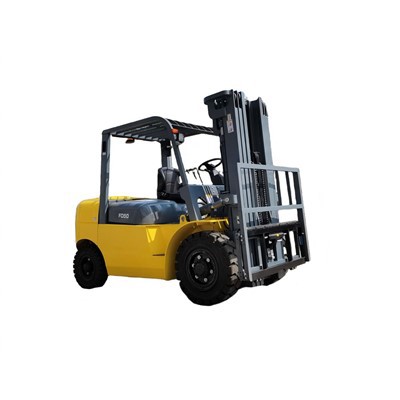
If you’re in the market for a hydrostatic loader, I’d be happy to help you find the right one for your needs. Just reach out to me, and we can have a chat about your requirements and see what options are available. Whether you’re looking for a fast loader for heavy-duty work or a smaller, more maneuverable loader for light-duty jobs, I’ve got you covered.
Small Excavator Thanks for reading, and I hope this blog post has been helpful. If you have any questions or comments, feel free to leave them below. I’d love to hear from you!
References
- Construction Equipment Handbook
- Heavy Machinery Maintenance Guide
- Hydrostatic Transmission Technology Manuals
China Machinery International Trading Co., Ltd.
China Machinery International Trading Co., Ltd. is one of the most experienced hydrostatic loader manufacturers and suppliers in China. We warmly welcome you to buy cheap hydrostatic loader made in China here from our factory. Quality products and reasonable price are available.
Address: Room 233, 2nd Floor, Building 16A, No. 1, Shuguang Xili Jia, Chaoyang District, Beijing
E-mail: Info@tajhzg.com
WebSite: https://www.cnmachinery-global.com/
