If you’ve ever shopped for bedding, furniture cushions, or even cleaning supplies, you’ve likely run into two terms that get tossed around a lot: foam sponge and memory foam. As someone who’s spent the last 12 years working directly with foam sponges as a supplier, I’ve heard every kind of question—from confused customers mixing the two up to buyers wondering which material makes the most sense for their specific project. It’s not just about which is “better,” either. The answer hinges on what you’re actually using the foam for, how it needs to perform, and even your budget. Let’s break this down clearly, no confusing industry jargon, just the practical stuff I’ve learned on the floor. Foam Sponge
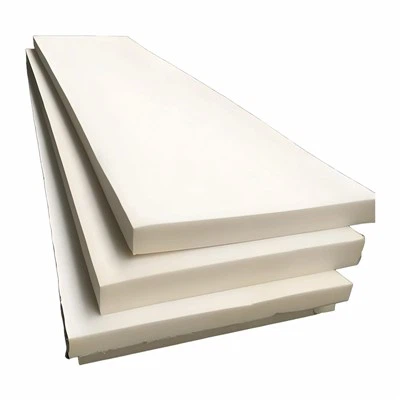
First, let’s start with the basics: what each material is, at their core. Foam sponge (the kind I supply) is a flexible polyurethane foam, produced by mixing liquid polyols, diisocyanates, water, and additives that create thousands of tiny, open cells. Those cells don’t just hold air—they’re interconnected, which is why foam sponge is so breathable and bouncy. It’s been around for nearly 100 years, actually, first developed as a lower-cost, versatile alternative to rubber in the 1930s. Memory foam, on the other hand, is a viscoelastic polyurethane foam, introduced much later (in the 1960s, for NASA’s aircraft seating) to absorb impact and reduce pressure. The key difference here is cell structure: memory foam’s cells are mostly closed, or tightly linked, which makes it slow to spring back and able to contour closely to shape.
I’ve seen firsthand how these structural differences play out in real use, so let’s talk about performance, starting with comfort and pressure relief. A common misconception is that memory foam is the only material that “cradles” your body. That’s true in some cases, but foam sponge offers a different kind of support. For bedding, memory foam’s contouring makes it popular for people with back pain—because it fills in the gaps between your body and the mattress, taking pressure off hips and shoulders. But here’s the catch: that closed-cell structure can make memory foam trap heat. I’ve had customers come to me with memory foam mattress toppers that left them sweating through the night, which is why a lot of people switch to foam sponge alternatives for bedding. Foam sponge’s open cells let air circulate freely, so it stays cooler, even after hours of use. For seating—like office chair cushions, sofa cushions, or automotive interiors—foam sponge’s bounce is a big advantage. It doesn’t feel soft in a way that makes you sink, but it supports your weight evenly, and it doesn’t flatten out as quickly as memory foam under regular use. I’ve had clients test both materials over a 6-month period: the foam sponge cushions held their shape, while the memory foam ones developed soft spots where people sat most. That’s a huge win for durability, which we’ll get to next.
Durability is one of the biggest factors buyers overlook when choosing between these two, and it’s where foam sponge consistently stands out. Because memory foam’s cell structure is dense and closed, it breaks down faster with repeated pressure. The soft, contouring material compresses over time, losing its shape and support—studies actually show memory foam can lose up to 30% of its resiliency after 2-3 years of daily use in high-traffic items like couch cushions. Foam sponge, by contrast, is engineered to retain resiliency. The open cells allow it to spring back quickly, even after being compressed thousands of times. I supply foam sponge for everything from packing materials (which get squeezed and stacked constantly) to commercial gym equipment padding, and 9 out of 10 of those clients report the foam still performs like new after 5+ years of use. That’s not to say memory foam is cheap, but you’ll likely have to replace it twice as often, which ends up costing more in the long run.
Cost is another practical point, especially for small businesses or DIY projects that work on a tight budget. Foam sponge is generally 20-40% less expensive than memory foam, depending on the density and thickness. Why? The manufacturing process is simpler, and the raw materials (polyols and low-density additives) are easier to source and process. For a craftsperson making seat cushions, a moving company buying packing foam, or a school making playground mats, that price difference adds up fast. I’ve had a small furniture maker come to me last year, who was using memory foam for their entry-level sofa line, and switching to foam sponge let them cut the retail price by $150 per couch without sacrificing quality. That’s a big win for both their bottom line and their customers’ wallets. That said, memory foam makes sense if contouring and pressure relief are non-negotiable—for example, a medical mattress for someone with mobility issues, where the close fit reduces pressure sores. But for everyday use, foam sponge is hard to beat for value.
Let’s not forget versatility, which is where foam sponge truly shines. Because it’s open-cell, porous, and flexible, it can be cut, shaped, and coated for almost any use case. I supply foam sponge for: cleaning sponges (yes, the kind you use to wash dishes—this is that same material, just with a slightly denser outer layer), upholstery cushions, acoustic padding (the open cells absorb sound better than closed-cell foam), packaging for fragile electronics, even water filtration media (the tiny cells trap impurities without holding too much water). Memory foam, while versatile, is limited by its heat retention and slow rebound. It’s not ideal for cleaning, for example, because it doesn’t absorb water quickly, and it’s too dense to scrub effectively. It’s also not used much for acoustic padding, because the closed cells reflect sound instead of absorbing it. For most general, everyday applications—from home DIY projects to commercial goods—foam sponge is far more flexible.
Of course, no material is perfect, and each has its place. Memory foam’s biggest strength is pressure relief and contouring, which is why it’s the go-to for high-end mattresses, medical bedding, and specialized seating for people with chronic pain. Foam sponge’s strengths are breathability, durability, affordability, and versatility, which make it the best choice for almost everything else: sofa cushions, office chairs, packing materials, cleaning supplies, acoustic panels, even pet beds (a lot of pet owners I talk to choose foam sponge over memory foam because it doesn’t overheat their dogs during summer).
As a supplier, I’ve learned that the best choice depends entirely on what you need the foam to do. If you’re someone who sweats at night and wants a mattress that doesn’t keep you hot, foam sponge is a no-brainer. If you’re building a budget-friendly set of dining chair cushions, foam sponge will hold up longer and cost less. If you’re making a medical mattress, memory foam is the only way to go. There’s no “one size fits all,” which is why I work closely with every customer to understand their specific needs before recommending a product—not just pushing what’s most profitable for me. I’ve turned down jobs where a customer wanted memory foam for a moving company’s packing materials, because foam sponge was a better, cheaper fit, and that’s the kind of trust that keeps clients coming back.

If you’re in the market for foam materials, whether you’re a small business owner, a DIY hobbyist, or a large corporation needing bulk supplies, I’d be happy to walk through your options, answer any questions, and help you pick the right material for your project. Whether you need a custom-cut foam sponge for a craft project, bulk sheets for commercial cushions, or something else entirely, I have the inventory and expertise to meet your needs. Don’t hesitate to reach out to discuss your requirements—no sales pitch, just honest advice based on years of working with these materials day in and day out.
Cleaning Sponge References
- ASTM International. (2021). Standard Test Method for Compression Set of Flexible Cellular Materials. West Conshohocken, PA: ASTM.
- National Sleep Foundation. (2022). Mattress Material Guide: Foam vs. Innerspring. Washington, DC: National Sleep Foundation.
- Journal of Materials Science. (2019). “Performance Comparison of Open-Cell and Closed-Cell Polyurethane Foams for Seating Applications.” Vol. 54, No. 12, pp. 8792-8805.
- U.S. Environmental Protection Agency. (2020). Polyurethane Foam: Applications and Sustainability. Washington, DC: EPA.
- International Sleep Products Association. (2021). Bedding Durability Report. Alexandria, VA: ISPA.
Jiangsu Palatus Latex Products Co., Ltd.
As one of the leading foam sponge manufacturers and suppliers in China, we warmly welcome you to buy discount foam sponge from our factory. All customized products are with high quality and low price. For quotation, contact us now.
Address: No.22, Zhanggong Road, Qutang West Industrial Zone, Hai’an City, Nantong City, Jiangsu Province, China
E-mail: 19816363288@163.com
WebSite: https://www.jsplts.com/
