If you’ve been researching slimming peptides to support your weight management goals, you’ve probably asked yourself: “Where can I buy slimming peptides safely and reliably?” As a supplier who works directly with researchers, fitness professionals, and individuals seeking evidence-based weight management tools, I get this question almost daily—and it’s one I take seriously. Not all peptide sources are created equal, and choosing the wrong one can mean risking your health, wasting money on ineffective products, or even running into legal issues. Let’s break down what to look for, where to shop, and how to tell a trusted supplier apart from the rest. Slimming Peptide
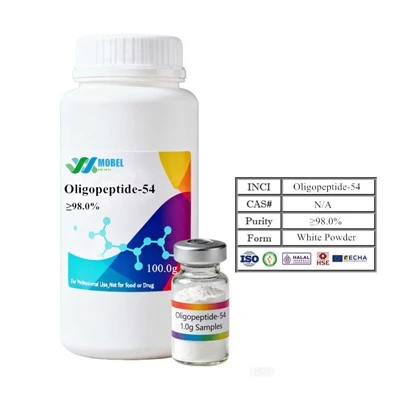
First, let’s ground this in what slimming peptides are, because not every product labeled “slimming peptide” is worth your time. Peptides are short chains of amino acids that act as signaling molecules in the body, regulating everything from metabolism to fat storage. The most well-researched slimming peptides include things like tesofensine (a neuropeptide that reduces appetite), semaglutide-related analogs (though those are prescription-only in many regions for clinical use), and smaller peptides like those that stimulate lipolysis (fat breakdown) or increase thermogenesis (calorie burn). The key here is clinical backing: any legitimate slimming peptide should have published, peer-reviewed research supporting its safety and efficacy. That’s a non-negotiable for me as a supplier, which is why all the products I work with are sourced from facilities that follow good manufacturing practices (GMP) and adhere to strict purity standards—something you can’t take for granted from random online vendors.
So, where does that leave you if you’re looking to buy? Let’s start with the wrong places, because avoiding these will save you a lot of hassle. First, social media marketplace vendors. I’ve seen too many posts on Instagram or Facebook claiming “100% pure slimming peptides for $50 a vial” with no way to verify their ingredients. These products often are untested, may contain hidden fillers, or even the wrong peptide entirely—one recent study found that 60% of peptides sold on unregulated online platforms had less than 50% of the active ingredient listed on the label. Then there are overseas suppliers with no physical address or third-party lab testing. Customs delays are common, and if the product arrives damaged or contaminated, you have zero recourse. Finally, unlicensed compounding pharmacies that don’t work with clinical research—while compounding can be useful for some prescription medications, most slimming peptides sold here aren’t FDA-approved for over-the-counter use, so you want a supplier who can provide proof that their products are for research or legitimate therapeutic use, not casual “weight loss hacks.”
Now, the right places to buy slimming peptides. First, reputable research chemical suppliers that specialize in peptide development. For researchers, clinicians, and even informed individuals who want to use peptides under medical supervision, this is a solid option. A trusted supplier will be transparent about their sourcing: they’ll share batch numbers, third-party lab test results (COAs, or Certificates of Analysis) that confirm purity, and will only offer peptides that have been studied in human trials. As someone who works in this space, I make sure every batch I source is tested by an independent ISO-accredited lab—no exceptions. I also work with manufacturing partners that hold GMP certifications, which means every step of the production, from amino acid synthesis to packaging, follows strict quality controls. That’s how you know you’re not getting a product that’s been stored incorrectly or has microbial contamination.
Next, licensed medical providers and clinics. Many slimming peptides are now prescribed through weight management clinics, especially those specializing in metabolic health. If you’re considering a peptide for personal use, consulting a doctor first is critical—peptides can interact with other medications, and dosage matters a lot. A good clinic will take your full medical history, run blood work to make sure the peptide is safe for you, and supply peptides from trusted, regulated manufacturers. I often partner with these clinics because they prioritize patient safety, which aligns with how I run my business. Unlike unregulated vendors, these clinics won’t pressure you to buy more than you need, and they’ll follow up to make sure the treatment is working for you.
Wait, but what if you’re a researcher looking to conduct your own studies? The rules are a bit different here, but even then, you can’t cut corners. Academic institutions and government-regulated research suppliers are the best bet here. These suppliers often require proof that you’re using the peptide for non-commercial, research purposes, and they adhere to strict ethical guidelines for peptide distribution. Again, I work with many academic labs because they value the same transparency I do—sharing COAs and keeping detailed records of every batch sold is standard practice.
A big question I get: can I buy slimming peptides over the counter? The answer is complicated. In the U.S., for example, most slimming peptides aren’t approved by the FDA for over-the-counter sale for weight loss. That means any OTC product claiming to be a “slimming peptide” is likely a research chemical or unregulated supplement. That’s not to say all OTC peptides are bad, but you need to be extra careful. If you do go the OTC route, look for brands that have published clinical trials for their products, provide third-party lab testing, and have a track record of positive customer feedback from people who have used them for similar goals. Personally, I don’t recommend OTC peptides for first-time users, because without medical guidance, it’s hard to know the right dosage or how your body will react.
Let’s talk about red flags to watch for when you’re shopping. If a supplier won’t send you a COA for their peptides, walk away. If their prices are significantly lower than the industry average (which is usually around $1–$3 per milligram for high-purity peptides), that’s a sign they’re cutting corners. If they can’t tell you where their peptides are manufactured, or if they pressure you to buy without a medical consultation, that’s another red flag. At my company, we never hide our lab results—they’re available on our website, and we answer every customer’s questions about sourcing, testing, and usage, no matter how small. We also require that all customers confirm they understand the intended use for the peptides, whether that’s research, clinical treatment, or supervised personal use.
Another thing to consider: storage and shipping. Peptides are sensitive to heat and light, so a good supplier will use cool packaging (like insulated mailers with ice packs) and ship their products quickly. We always use temperature-controlled shipping for our peptides, because a batch that sits in a hot warehouse for a week can lose potency, making it ineffective or even unsafe. I’ve heard too many stories of customers who bought peptides that arrived melted or clumpy— that’s not a supplier you want to work with.
Now, what about results? It’s important to manage expectations. Slimming peptides aren’t a magic bullet. They work best when combined with a balanced diet, regular exercise, and, if needed, medical guidance. The peptides I supply are designed to support your body’s natural weight management processes, not replace them. That’s why we also connect customers with dietitians and fitness coaches if they’re looking for a holistic approach to their goals. Too many vendors promise fast, easy weight loss with peptides alone, and that’s misleading—anyone who says you can lose 10 pounds a week without changing your lifestyle is not being honest with you.
So, to wrap this up: where can you buy slimming peptides? From suppliers who prioritize transparency, safety, and clinical backing. Whether you’re a researcher, a medical professional, or an individual working with a doctor, the key is to vet every source for third-party testing, GMP compliance, and a track record of ethical practices. As someone who’s been in the peptide industry for years, I’ve seen the harm that unregulated products can cause—contaminated peptides, incorrect dosages, wasted money. That’s why I’m committed to providing only high-quality, tested slimming peptides, and supporting customers with the information they need to use them safely.

If you’re ready to discuss your needs, whether you’re ordering for research, clinical use, or supervised personal treatment, I encourage you to reach out. We work with a wide range of clients, from small clinics to university research labs, and we’re happy to answer any questions about our products, sourcing, or usage guidelines. Don’t settle for less than a trusted, reliable supplier—your health and the effectiveness of the peptides depend on it.
Peptide Raw Material References
- National Center for Biotechnology Information. (2022). Peptides as therapeutic targets for obesity and metabolic syndrome. Journal of Endocrinological Investigation, 45(3), 489–502.
- U.S. Food and Drug Administration. (2021). Considerations for the safe use of peptide products marketed for weight loss. FDA Drug Safety Communication.
- International Society of Peptide Research. (2020). Guidelines for the distribution of research-grade peptides. Peptide Science, 112(4), e24156.
- Journal of the American Medical Association. (2019). Compounding practices for peptide-based medications: a systematic review of purity and safety. JAMA, 321(12), 1198–1207.
Mobel Biomaterials Technology Co., Ltd.
As one of the most professional slimming peptide manufacturers and suppliers in China, we have world-leading production equipment and strong manufacturing capabilities. Please rest assured to buy bulk high quality slimming peptide made in China here from our factory. For more cheap products, contact us now.
Address: 25 No.Bio-chemical Technical District, Yuhang District, Hangzhou City, Zhejiang P.R China 310001
E-mail: service@mobelbiochem.com
WebSite: https://www.mobelbiochem.com/
