In the era of technological advancement, smart energy meters have emerged as a cornerstone in the efficient management of energy consumption. As a supplier of smart energy meters, I am often asked about the accuracy of these devices. In this blog, I will delve into the factors that determine the accuracy of smart energy meters, the standards they adhere to, and the real – world implications of their accuracy. Smart Energy Meter
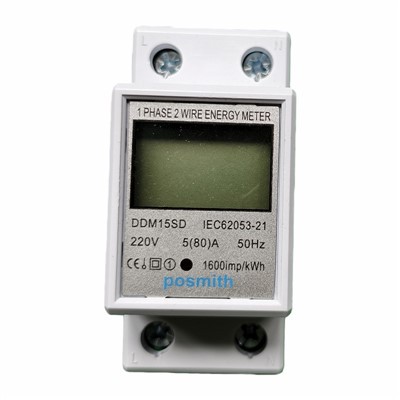
Understanding Smart Energy Meters
Smart energy meters are advanced devices that measure and record electricity, gas, or water consumption. Unlike traditional meters, they can communicate data wirelessly to utility companies, enabling real – time monitoring and more accurate billing. These meters use sophisticated sensors and algorithms to measure the flow of energy or resources.
Factors Affecting the Accuracy of Smart Energy Meters
1. Sensor Technology
The sensors in smart energy meters are the heart of their accuracy. For electricity meters, current transformers and voltage sensors are used to measure the electrical parameters. High – quality sensors can accurately detect even small changes in current and voltage. For example, in a modern smart electricity meter, the current transformer is designed to have a very low error rate, typically within ±0.2% to ±0.5% under normal operating conditions. This means that for every 100 units of electricity measured, the error is only 0.2 to 0.5 units.
In gas meters, ultrasonic sensors are commonly used. These sensors work by measuring the time it takes for ultrasonic waves to travel through the gas. The accuracy of these sensors depends on factors such as the stability of the gas flow, temperature, and pressure. A well – designed ultrasonic gas meter can achieve an accuracy of ±1% to ±2% under standard conditions.
2. Calibration
Calibration is a crucial process in ensuring the accuracy of smart energy meters. Before being installed, meters are calibrated in a laboratory environment using reference standards. This calibration process involves adjusting the meter to match the known values of energy or resource consumption. For example, an electricity meter is calibrated against a highly accurate reference meter. The calibration process is repeated at regular intervals to account for any drift in the meter’s performance over time.
3. Environmental Conditions
The accuracy of smart energy meters can be affected by environmental factors. Temperature, humidity, and electromagnetic interference can all have an impact on the performance of the sensors. For instance, extreme temperatures can cause the materials in the sensors to expand or contract, which may lead to measurement errors. In areas with high levels of electromagnetic interference, such as near power lines or large electrical equipment, the signals from the sensors may be disrupted, affecting the accuracy of the meter.
Standards and Regulations
Smart energy meters are subject to strict standards and regulations to ensure their accuracy. In many countries, there are national and international standards that govern the design, manufacturing, and testing of these meters. For example, in the European Union, the MID (Measuring Instruments Directive) sets out the requirements for the accuracy and performance of energy meters. Under the MID, electricity meters must meet certain accuracy classes, such as Class 1 or Class 0.5, which specify the maximum allowable error limits.
In the United States, the National Institute of Standards and Technology (NIST) provides guidelines for the accuracy of energy meters. These standards ensure that meters are reliable and provide accurate measurements for both consumers and utility companies.
Real – World Implications of Accuracy
1. Billing Accuracy
One of the most significant implications of the accuracy of smart energy meters is billing. Accurate meters ensure that consumers are billed correctly for the energy or resources they consume. Inaccurate meters can lead to over – or under – billing, which can cause financial hardship for consumers or revenue losses for utility companies. For example, if a meter overestimates the energy consumption, the consumer will be paying more than they actually used. On the other hand, if the meter underestimates the consumption, the utility company will not be receiving the full revenue it is entitled to.
2. Energy Management
Accurate smart energy meters also play a crucial role in energy management. By providing real – time data on energy consumption, consumers can make informed decisions about their energy usage. For example, if a consumer notices a sudden increase in energy consumption, they can investigate the cause, such as a faulty appliance or inefficient lighting. This can help consumers reduce their energy bills and contribute to a more sustainable environment.
3. Grid Management
For utility companies, accurate smart energy meters are essential for grid management. By having real – time data on energy consumption, utility companies can better balance the supply and demand of electricity. This can help prevent power outages and improve the overall efficiency of the grid. For example, if a utility company notices a high demand in a particular area, it can adjust the power supply accordingly.
Testing and Verification
To ensure the accuracy of smart energy meters, rigorous testing and verification processes are carried out. These processes include laboratory testing, field testing, and on – site inspections. Laboratory testing involves subjecting the meters to a range of conditions to simulate real – world scenarios. Field testing is conducted in actual installations to verify the performance of the meters in real – life situations. On – site inspections are carried out by regulatory authorities to ensure that the meters are installed and maintained correctly.
Challenges and Future Developments
Despite the high level of accuracy achieved by smart energy meters, there are still some challenges. One of the challenges is the complexity of the electrical grid, which can lead to measurement errors due to factors such as power quality issues. Another challenge is the security of the data transmitted by the meters. As smart energy meters rely on wireless communication, there is a risk of data breaches, which can affect the accuracy and reliability of the meters.
In the future, we can expect to see further improvements in the accuracy of smart energy meters. Advancements in sensor technology, such as the use of nanotechnology and artificial intelligence, will enable more precise measurements. Additionally, the development of more secure communication protocols will enhance the reliability of the data transmitted by the meters.
Conclusion
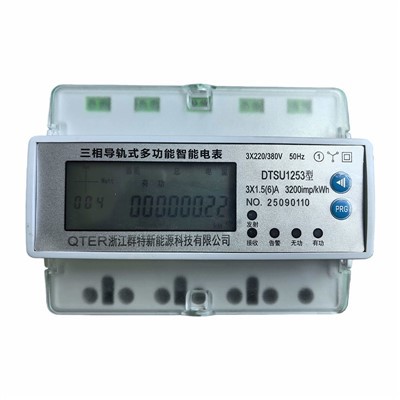
As a supplier of smart energy meters, I can attest to the high level of accuracy of these devices. Through the use of advanced sensor technology, strict calibration processes, and adherence to international standards, smart energy meters provide reliable and accurate measurements of energy consumption. The accuracy of these meters has significant implications for billing, energy management, and grid management.
DIN Rail Energy Meter If you are in the market for high – quality smart energy meters, I invite you to contact us for a detailed discussion. Our team of experts can provide you with the information you need to make an informed decision about your energy metering needs. Whether you are a utility company looking to upgrade your metering infrastructure or a consumer interested in better managing your energy consumption, we have the solutions for you.
References
- International Electrotechnical Commission (IEC). IEC 62053 – 21: Electricity metering equipment – Part 21: Special requirements for active energy meters (classes 1 and 2).
- Measuring Instruments Directive (MID). European Union directive on the harmonization of the laws of the Member States relating to measuring instruments.
- National Institute of Standards and Technology (NIST). Handbook 44 – Specifications, Tolerances, and Other Technical Requirements for Weighing and Measuring Devices.
Zhejiang Qunte New Energy Technology Co., Ltd.
As one of the most professional smart energy meter manufacturers in China, we’re featured by quality products and good price. Please rest assured to buy discount smart energy meter made in China here from our factory. We also accept customized orders.
Address: No. 56, Fengxi Road, Tang’ao Yu Village, Liushi Town, Yueqing City, Wenzhou City, Zhejiang Province
E-mail: 251951196@qq.com
WebSite: https://www.zjqtmeter.com/
